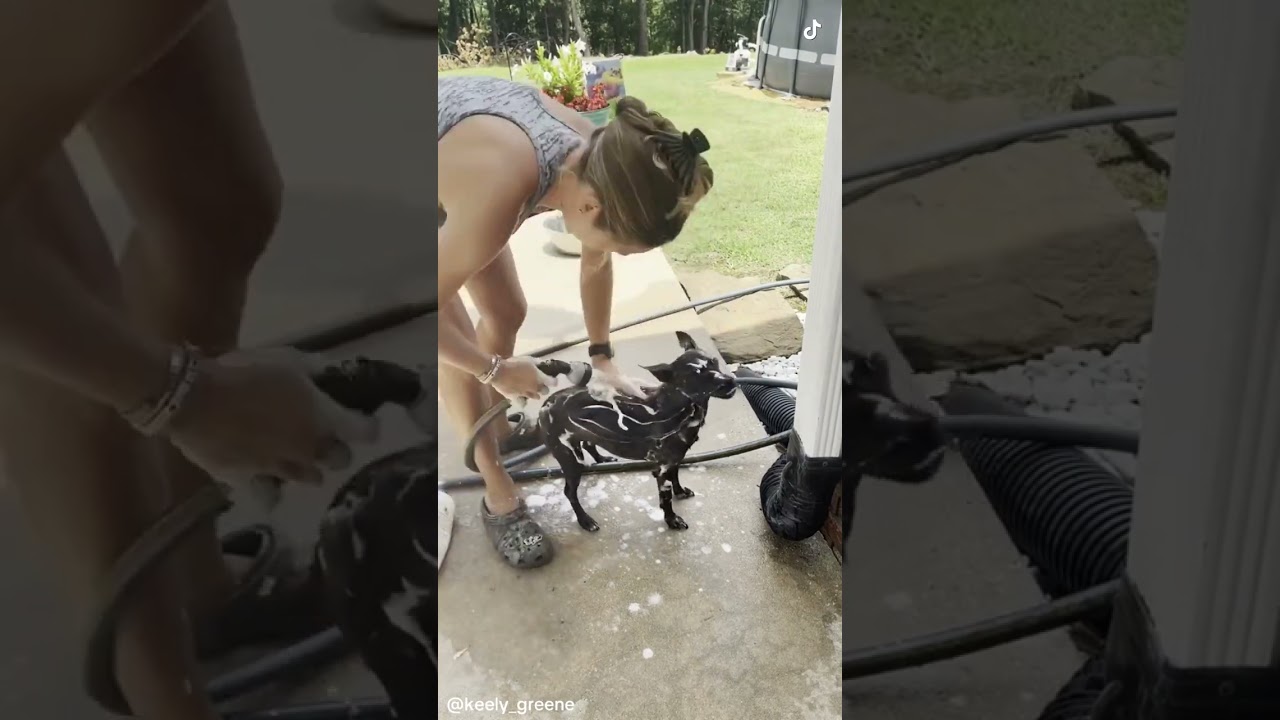
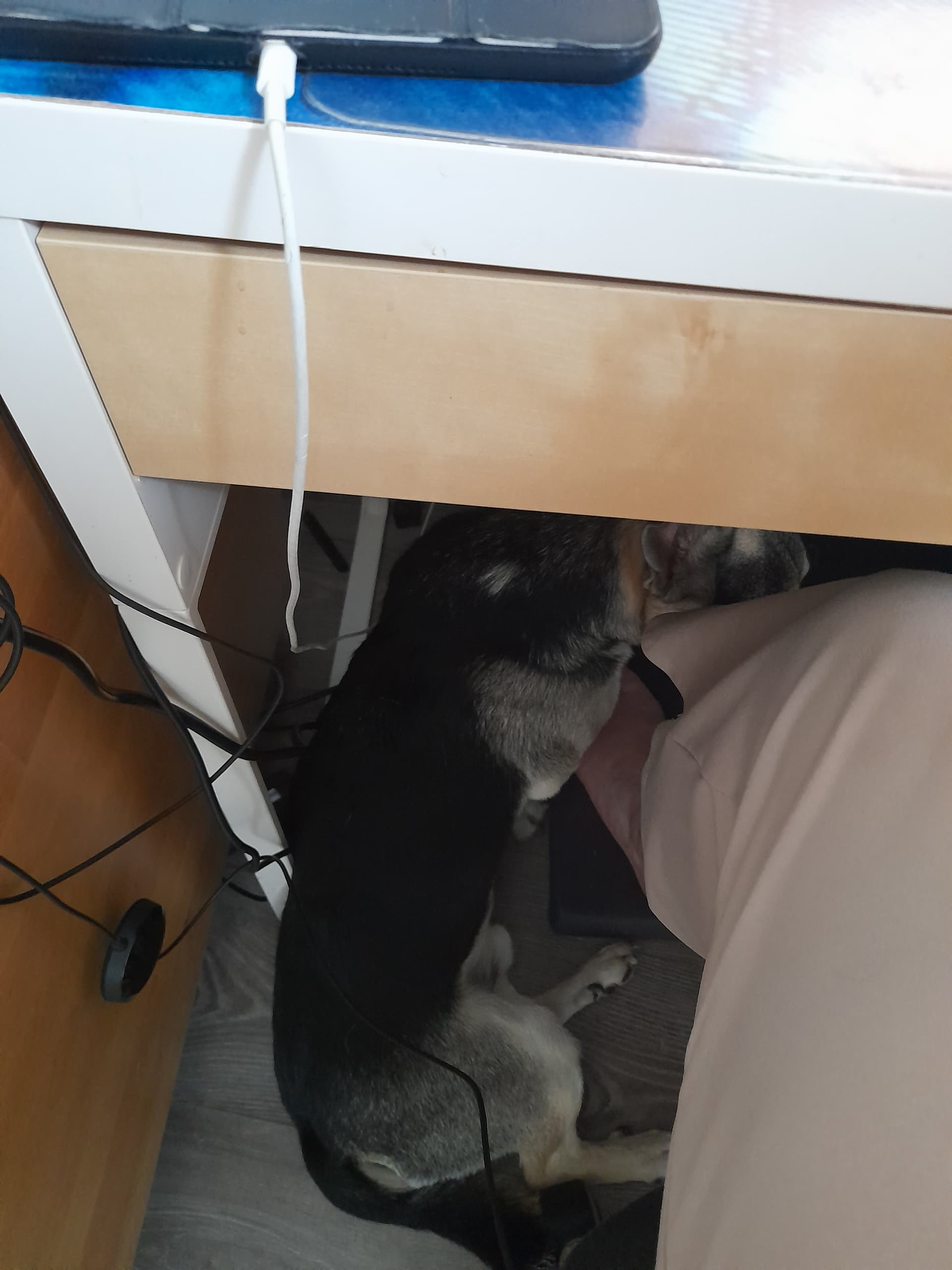
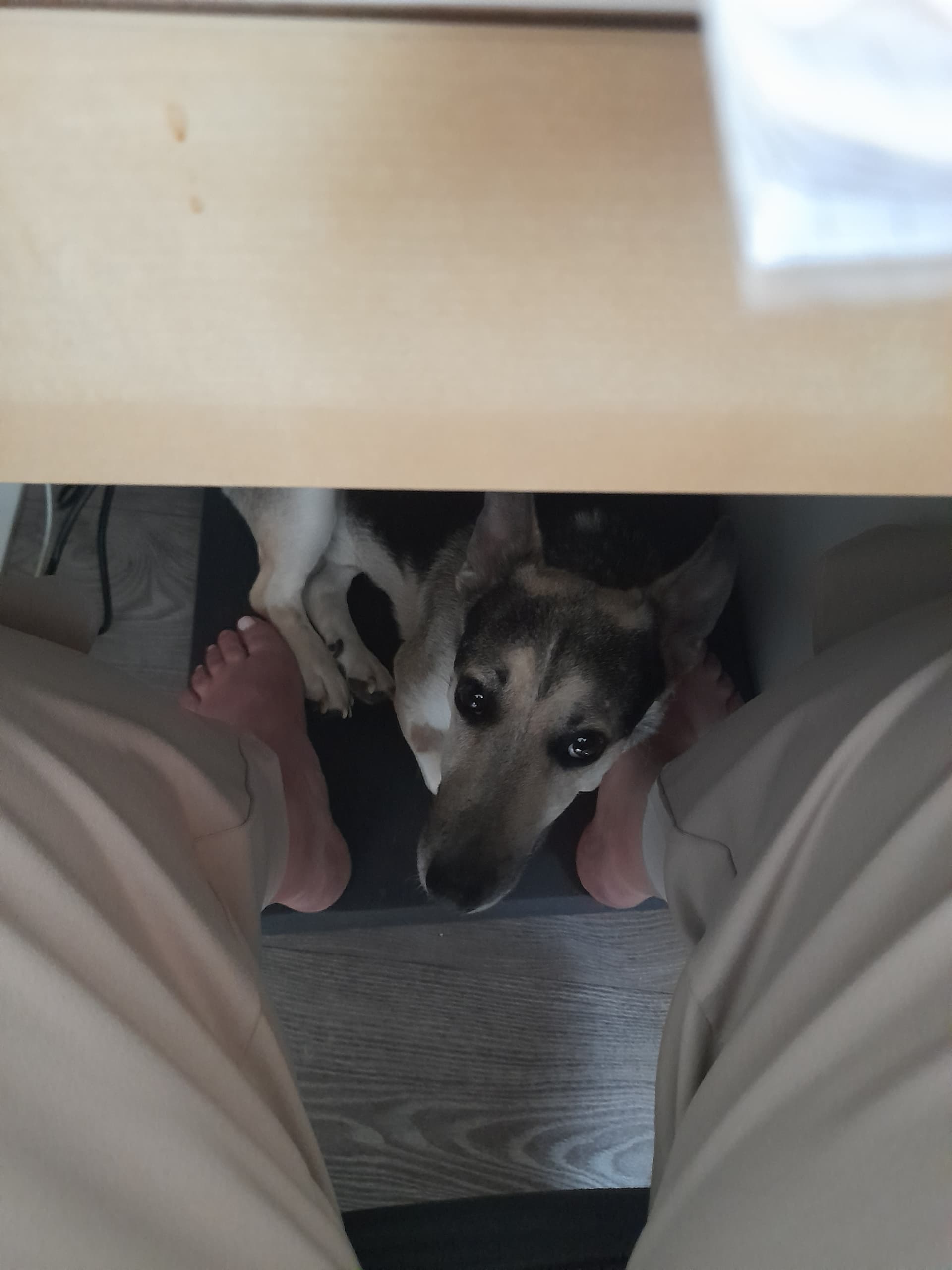
I don’t know if the video played for you.
How do you know if your dog needs his glands squeezed?
AI Overview
+7
A dog may need their anal glands squeezed if they display signs of discomfort or blockage, such as scooting (dragging their rear end on the floor), excessive licking or biting around the anus, straining to defecate, or a foul, fishy odor. Other indications include redness or swelling near the anus, and discomfort when sitting or walking.
Here’s a more detailed explanation of the signs:
Scooting:
This is a telltale sign that a dog is trying to relieve pressure or discomfort in the anal area. They may drag their butt across the floor, carpet, or grass.
Excessive Licking/Biting:
Dogs may excessively lick or bite at their anus, especially if they are experiencing discomfort or irritation from full anal glands.
Straining to Defecate:
If a dog is straining or showing signs of pain when pooping, it could be due to a blocked or full anal gland.
Foul Odor:
Full anal glands can have a noticeable, often fishy, odor.
Redness or Swelling:
Redness or swelling around the anus can indicate inflammation or infection, possibly related to the anal glands.
Discomfort When Sitting or Walking:
Dogs may be reluctant to sit or walk if they are experiencing pain or discomfort in the anal area.
Discharge:
In some cases, there may be discharge from the anus, which could be a sign of an anal gland problem.
Important Considerations:
Normal Anal Gland Function:
Dogs typically empty their anal glands naturally when they defecate.
Anal Gland Issues:
However, some dogs may have difficulty emptying their anal glands, leading to blockage or overfilling.
Anal Gland Problems:
Blocked or overfilled anal glands can be painful and can lead to infection or abscesses.
Veterinary Advice:
If you suspect your dog may have anal gland issues, it’s always best to consult with your veterinarian for proper diagnosis and treatment.
Home Expression:
In some cases, veterinarians may recommend home expression of anal glands, but it’s important to learn the proper technique from a vet and avoid doing it yourself if you are unsure.
AI responses may include mistakes. Learn more
When (And Why) Do Dogs Need Their Anal Glands Expressed? - GoodRx
The first sign that a dog has issues with their anal glands is scooting or dragging their butt across the floor. … Having a foul, fishy odor. Licking or bitin…
GoodRx
How to Express a Dog’s Anal Glands - PetMD
Apr 15, 2024 — Signs Your Dog Needs Their Anal Glands Expressed The following is a list of signs indicating that your dog needs their anal glands expressed: Excess…
PetMD
Dog Anal Glands: Common Problems, Treatment, and Prevention
Signs of Dog Anal Gland Problems. The most common signs of dog anal gland issues include: Scooting. Frequently turning to lick or bite their hind end. Straining…
PetMD
How to spot if your dog has blocked anal glands - Woodgreen Pets Charity
If a dog hasn’t emptied their bowel properly or after a few days of passing soft stools, their anal glands tend to fill up. … So, a sure-fire way of telling i…
Woodgreen Pets Charity
The Dog Parent’s Guide to Anal Glands - Scenthound
Jun 2, 2021 — HOW DO I KNOW IF MY DOG NEEDS HIS ANAL GLANDS EXPRESSED? The signature sign of anal gland problems is scooting. Your dog will drag his butt across th…
Scenthound
Dog’s Anal Glands: Common Problems & Treatment - Pooch & Mutt
FAQ’s * How do you know if your dog needs his anal glands expressed? Your dog will usually let you know something is amiss by scooting their bum along the grou…
Pooch & Mutt
How do you know if your dog is having anal gland issues? - Vetster
Jul 10, 2024 — How do I know if my dog needs to have their anal glands expressed? Dogs with anal sac disease often show signs such as licking the anal region, redn…
Vetster
When to Express A Dog’s Anal Glands, Per a Vet
Signs of Anal Gland Issues Scooting, excessive licking, straining while pooping, or blood in your pup’s stool can all be signs that they might have an anal glan…
MetLife Pet Insurance
Google AI
Dog Anal Glands
Blocked anal glands in dogs - PDSA
Rose Park Vet | Prevent Blocked Anal Glands » Rose Park Veterinary …
Blocked anal glands in dogs - PDSA
Anal Glands in Dogs & Cats - Symptoms & Remedies NZ
How to Express Your Dog’s Anal Glands in 10 Steps | AskVet
Impacted Anal Glands: What It Is, How to Spot It, and What to Do …
Anal Sac Problems In Your Dog Why Your Dog Is Scooting – Ron Hines …
Anal glands: Finding relief through diet – nutrition rvn
Anal Gland Abscess, Rupture, Infection and Swelling – Dr. Dobias …
Amazon.com : Vetnique Labs Glandex Medicated Dog Anal Gland Spray …
How to Tell If Dogs Anal Glands Are Full – Vetnique Labs
Your dog’s anal glands: An overview - Bella+Duke
Anal Gland Misconception
Dog’s Anal Glands: Common Problems & Treatment | Pooch & Mutt
Four Paws Veterinary Clinic | Dogs have two anal sacs ,also called …
Dogs have two small sacs, called anal glands, located on either side of their anus at the four and eight o’clock positions. These glands produce a strong-smelling fluid that dogs use to mark territory. The fluid is released naturally when a dog defecates, but can also be expressed involuntarily when a dog is stressed or scared.
Function: Marking territory
Smell: Oily, rotten fishy, or metallic
Emptying: Naturally when a dog poos
Location: Four and eight o’clock positions around the anus
Size: About the size of a pea
Gender: Present in both male and female dogs
Importance: Not essential to a dog’s health you
Anal Glands in Dogs: Symptoms and Causes
Besides scooting, other symptoms of anal gland problems in dogs include a fishy or foul odor from your pet, excessive licking of the rear end, discomfort while …
Glandex
What You Need to Know about Anal Sac Impaction in Pets | VetDERM Clinic
Jan 16, 2018 — Signs: The most common symptom is scooting i.e. dragging of the bum on the floor, carpet or grass. Other causes of scooting can include intestinal p…