Gunda, go do your own research. To have “denied the existence of God” is to have asserted that there is no God. The alternative is to “not believe in God”. The statements are clear.
not according to your chatgpt lol
is denying the existence of god asserting that there is no god?
Denying the existence of God is not exactly the same as asserting that there is no God, although the two concepts are related. Here’s the distinction:
- Denying the existence of God: This typically means rejecting the belief in God or not accepting the existence of God based on available evidence or reasoning. It may reflect a lack of belief rather than a firm assertion about the non-existence of God. People who deny God’s existence might simply be skeptical or unconvinced, without necessarily claiming definitive knowledge about God’s non-existence. In this case, they are not asserting that God does not exist—they are merely withholding belief due to doubt or lack of evidence.
- Asserting that there is no God: This is a stronger, more definitive statement. It involves making a positive claim that God does not exist. This is often associated with atheism, where the person asserts with conviction that the concept of God is either false or unnecessary based on logical, empirical, or philosophical grounds.
Key Difference:
- Denying the existence of God often means a lack of belief in God without claiming to know for sure that God does not exist.
- Asserting that there is no God is making a strong claim that God does not exist, typically with more certainty or evidence behind it.
In conclusion, while both positions involve rejecting the belief in God, denying God’s existence does not necessarily equate to asserting that there is no God. The former can simply involve skepticism or disbelief, while the latter involves making an assertive, often definitive claim about the non-existence of God.
1 Like
You are so bad at this, Nico. Try asking ChatGPT if they believe there is no God. You will get this, with (hopefully) total clarity. Then again, you’re not bright enought to ever have total clarity. I’ve removed Dawkins as he only believed it was “improbable”.
-
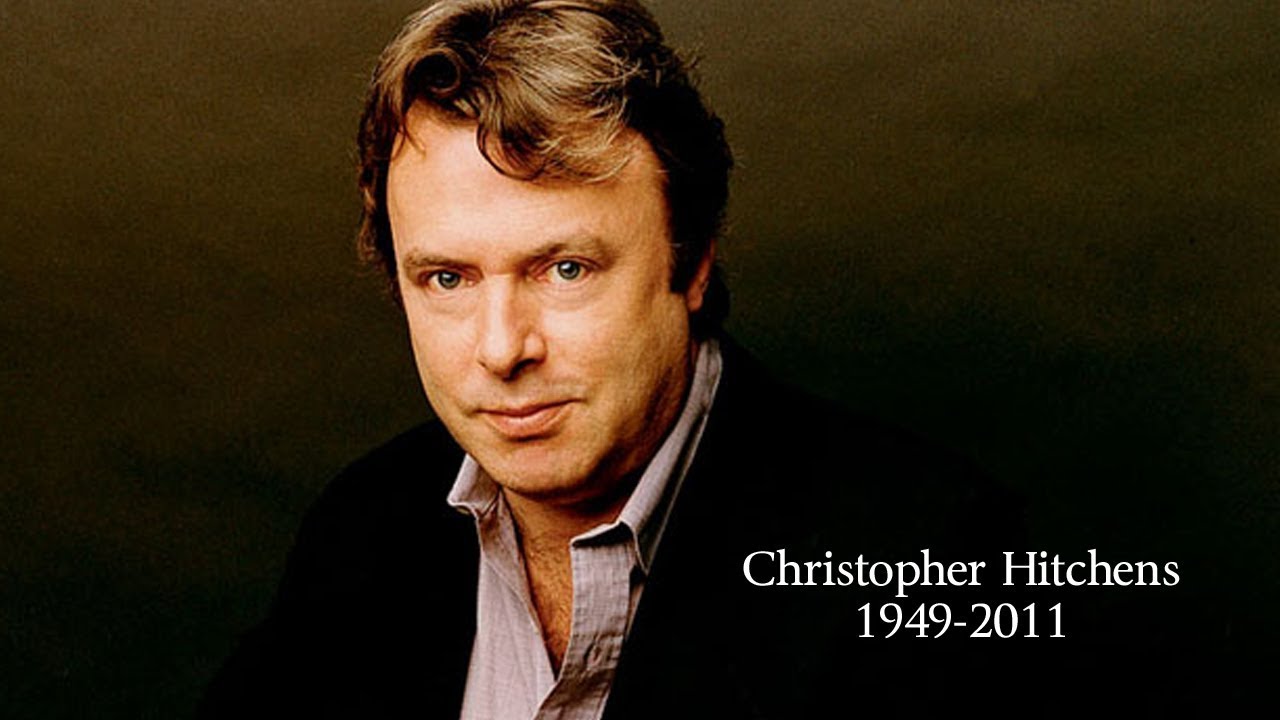
Christopher Hitchens
The late journalist and author of God Is Not Great, Hitchens believed there is no God and strongly critiqued religion and its influence. -
Sam Harris
Neuroscientist and author of The End of Faith, Harris believes there is no God and critiques religion as incompatible with science and reason. -
Daniel Dennett
Philosopher and author of Breaking the Spell, Dennett believes there is no God and focuses on naturalistic explanations for religious belief. -
Bertrand Russell
Philosopher and author of Why I Am Not a Christian, Russell believed there is no God and considered religious faith to be irrational. -
A.C. Grayling
Philosopher and author of The God Argument, Grayling believes there is no God and advocates for secular humanism over religious systems.
This wording aligns with the perspective that these individuals not only lack belief in a deity but also hold the belief that God does not exist.
but thats a totally different question, so basically you only rely on chatgpt when it gives you the answers you like?
God you’re stupid, Nico. lol. Gunda asked if I knew of atheists who explicitly believed that no God existed. I gave her a list which used the word “denied the existence” which she (and you) both questioned, presumably because English is not the first language for either of you. I then got ChatGPT to revise the list to answer her question explicitly. If this upsets you, I’m glad. 
lol i did not question your list since its not even yours
i questioned your line “To have “denied the existence of God” is to have asserted that there is no God.”
and your chatgpt agrees its a silly statement
1 Like
I deny the existence of God too and at the same time I say I don‘t know it for sure. Do you seriously claim I can‘t say both?
This is in the context of ATHEISM. Ask ChatGPT that and you’ll get this:
Yes, in the context of atheism, “denying the existence of God” is effectively the same as asserting that there is no God. Both involve taking an explicit stance that God does not exist, as opposed to simply withholding belief.
Clarification of Terms:
-
“Don’t believe in God” (Weak/Implicit Atheism):
- This is a lack of belief without necessarily asserting God’s nonexistence.
- Example: “I see no evidence for God, so I don’t believe in one.”
-
“Deny the existence of God” (Strong/Explicit Atheism):
- This is an active assertion that God does not exist.
- Example: “I believe there is no God.”
In both cases, the person identifies as an atheist, but the strength of their position differs. To deny or assert the nonexistence of God goes beyond disbelief to a definitive claim about reality.
Yes, Gunda, I seriously claim you can’t say both, as will anyone who speaks English at a university level and who is discussing Atheism, which explicitly uses that term to mean asserting there is no God. If you believe there’s the tiniest chance there is a God, then you “don’t believe in God” and do not “deny the existence of God”. Anyone should see intuitively that you can’t deny the existence of God if you leave open the possibility he exists.
See ChatGPT above.
lol
in the context of atheism is denying the existence of god the same as asserting that there is no god
In the context of atheism, denying the existence of God and asserting that there is no God can be closely related, but they are not exactly the same. The distinction primarily comes down to the level of certainty and the type of claim being made. Here’s how they can be understood in this context:
- Denying the existence of God in atheism:
- This can be understood as a rejection or lack of belief in the existence of God, but not necessarily an active claim about God’s non-existence.
- A person might say, “I do not believe in God,” which denies belief in God but doesn’t explicitly claim that God does not exist. It’s a passive or non-committal stance, where the individual does not accept the concept of God, but without making a definitive metaphysical statement.
- This could include agnostic atheism (where someone withholds belief due to a lack of evidence or certainty) or atheism in general (where one simply does not believe in God without asserting an absolute position).
- Asserting that there is no God in atheism:
- This is a stronger and more definitive claim. It means actively asserting that God does not exist.
- An individual who asserts “There is no God” is making a positive claim about the world: that God is absent from reality. This is an active declaration of God’s non-existence, not just a rejection of belief in God.
- This position is often referred to as strong or positive atheism, where the individual goes beyond simply lacking belief in God and asserts God’s non-existence as a fact.
Key Differences in Atheism:
- Weak (or Negative) Atheism: This involves denying the existence of God by simply lacking belief in God. It doesn’t necessarily assert that God cannot exist, just that there’s no reason to believe in God. It is sometimes referred to as “atheism by default.”
- Strong (or Positive) Atheism: This involves asserting that God does not exist. It is a definitive claim about the world, not just a lack of belief.
Example in Atheism:
- Denying the existence of God: “I don’t believe in God” (a rejection of belief, without claiming absolute knowledge about God’s existence).
- Asserting that there is no God: “There is no God” (a direct and definitive assertion of God’s non-existence).
In summary, in the context of atheism:
- Denying the existence of God (often associated with weak or negative atheism) can be understood as rejecting belief in God, without necessarily making an assertive claim about God’s non-existence.
- Asserting that there is no God (associated with strong or positive atheism) is a definitive statement about God’s non-existence.
While both positions are commonly grouped under atheism, they reflect different levels of certainty and types of claims.
1 Like
2 chatgpt disagree with themselves lmao
1 Like
Well, here we agree to disagree then.
See Nicos ChatGPT above. 
Yes, you and Nico are both absolutely free to be wrong on this topic, and to continue to display your ignorance to the world by incorrectly using all of the various terms we discussed.
lol i should rephrase my question to chatgpt to what then?
please chatgpt give me the same answer as reg or he will believe you are a fake dutch chatgpt lmao
edit: i asked that but it censored itself:
Content removed
This content may violate our usage policies.
1 Like
I will happily ignore the ignorant. 
lol this chatgpt is as funny as reg… ok gotta go… almost old year time
have fun all
I am having fun. And before I have to go into the cold for having a walk with Jamie and the firecrackers rule the air, I post this funny scene with Lucifer „kidnapping“ Trixie to have access to a schools psychological lesson for children to learn how to control emotions. Cause he hates those nasty feelings, which he only feels since he left hell for earth and met Chloe, lol.

Unfortunately this clip is on TikTok, but it’s really worth the effort due to that funny scene when Miranda gets persuaded by her friends, which each soon get married, to try on some bride dress as well. I love her humour. 
Miranda: So I can be honest, I don’t think I’ve ever felt more beautiful.
Her friends: Really?
Miranda: Noooo! I look like I’ve had a chiffon based anaphylactic shock!
Having a hard time finishing Sweet Home. I have no idea what is going on. The first season was hilarious. This doesn’t even seem like the same show.
I started watching Dune prophecy. 1 episode in. I’ll keep going but won’t be surprised if MAX cancels it before it is finished. Seems to be their thing.
Quite honestly, when is Dune ever really finished?
This show takes place 10000 years before Paul Atreides is born. Lots of Harkonens. They are not albino in it.