I found the next POM.
Rights released photos only, Michele.
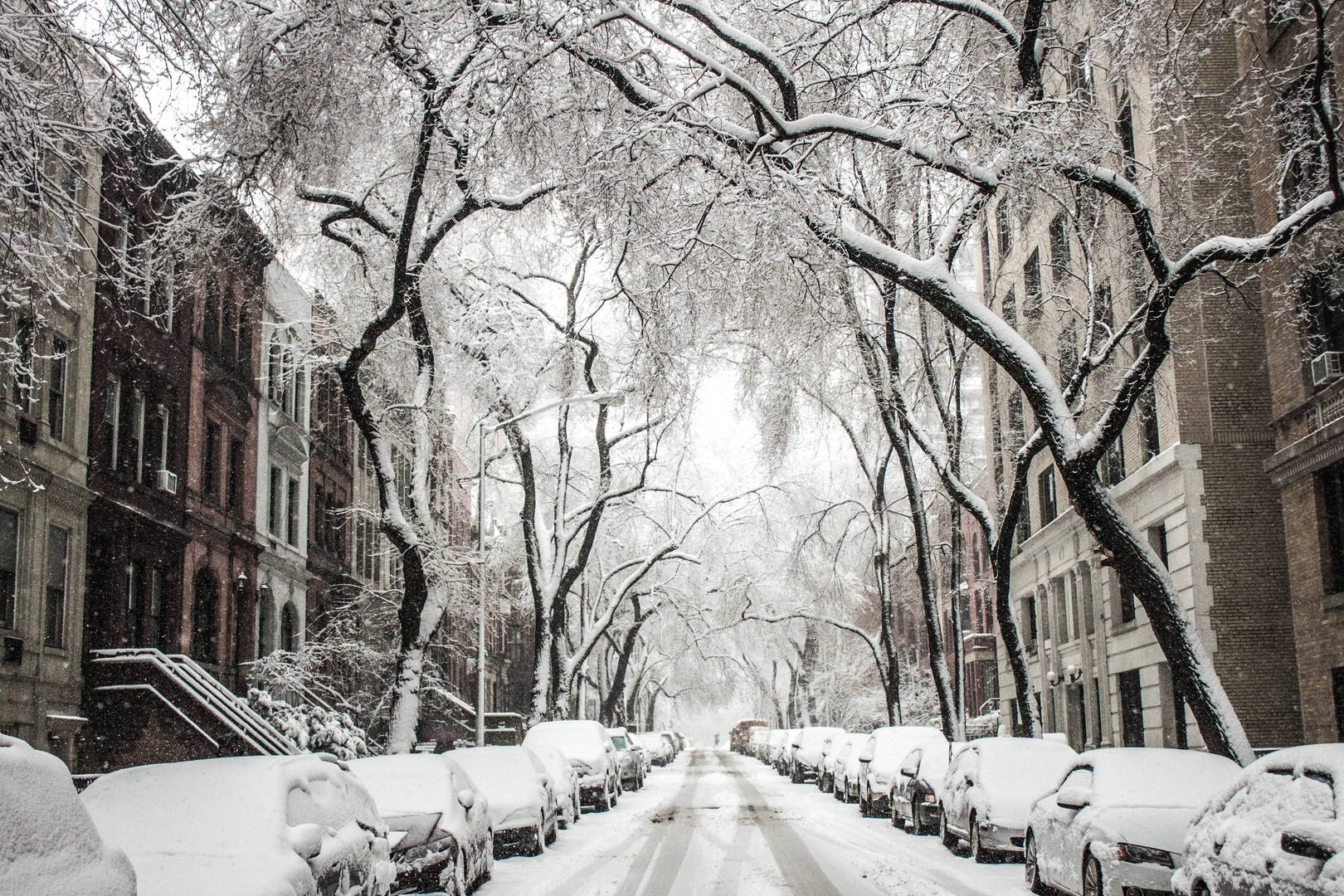
pwetty!
i guess there is still time but so far i havent seen any snow irl again this winter:(
Me either. There’s been no shortage of cold air though. It is a pretty POM. Trees need trimming but it’s a pretty POM anyway.
Goodness, no. Those trees will form a pretty canopy over the street in spring/summer.
The cars should go. The future will bring us a world with minimal private car ownership and those ugly cars lining the streets can be replaced by benches or something less unsightly.
You want to put benches in the middle of the street? Why not spread the homes apart and put driveways between them.
Not in the middle. Off to the side where the cars are parked. The middle needs to be reserved for the electric ride-hailing carriages that will transport people in the future.
Because then it would look as gross as American cities. 
The driveways would have those dreaded cars that Reg wants to get rid of.
That doesn’t make sense. You want to get rid of unsightly man made objects but you don’t want to put space between buildings to build driveways?
It makes tons of sense if you look at the results. Cities which are designed around cars (including most US and Canadian cities) tend to be ugly. Widely spaced houses, wide roads, nowhere to walk to, no businesses in the areas where houses are. This makes for a horrible lifestyle. If you want some milk and bread, you have to get in the car. It’s stupid.
Most European cities (and North American downtowns) are vastly healthier, more beautiful and more idyllic. You walk to work, you walk to the store, you walk to do most of your errands. You walk to meet your friends and you walk to most restaurants and entertainment. There is a very high density of people per square meter so the city is always alive and vibrant, not dead and boring like Canadian/American suburbs. Cars suck the soul out of a city and the sooner we can kick most of them out, the better.
What results, Reg?
Speak for your own ugly city.
That shouldn’t be a problem for you since everyone is too fat.
So your solution is to build one house on top of another? You prefer to live in a home with walls thin enough to carry on a conversation with your neighbor without leaving your lap of luxury in the clouds? You prefer to live dl close you can smell your neighbored food and they can smell yours…burning?
There’s not a high density of people anywhere in or around Oklahoma, Reg, so it’s difficult for me to wrap my mind around your vision but I agree, it’s probably dead and boring. I don’t really care though. I prefer the peace and quiet.
Sounds great. Let’s start with your VW.
last night the fucking jews fired their space laser at me when the space station was directly overhead!
i fired back with my bb gun
we called it a draw
it was around dusk
it was only 83 degreed overhead
not directly overhead as i may have stated earlier when i was drunk
You should stop communicating with aliens and go back to drinking.
Ugly?
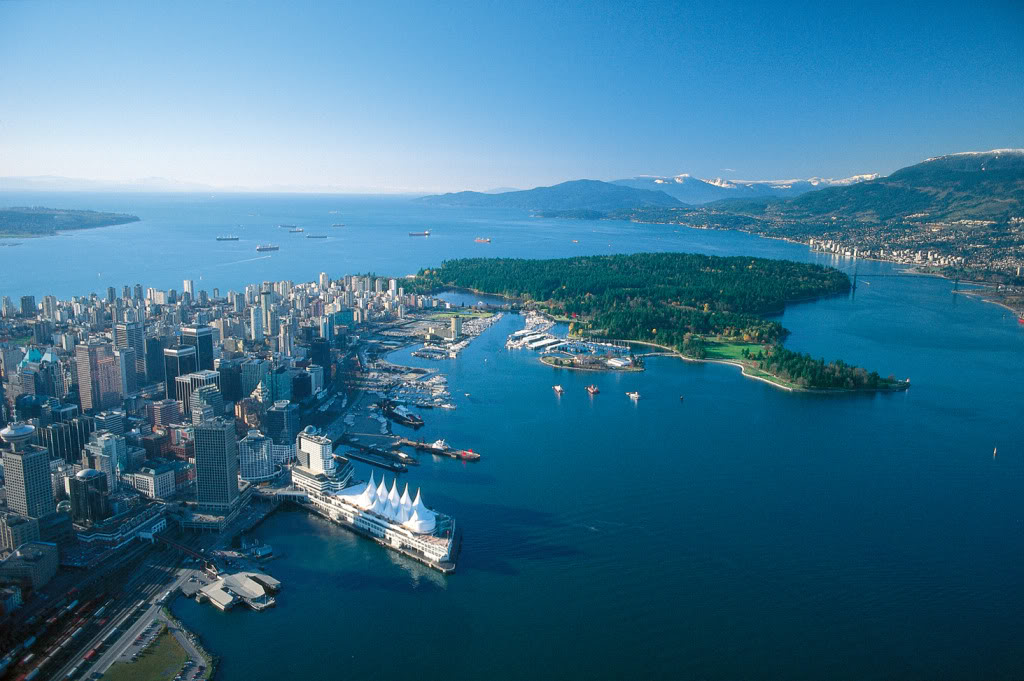
Michele, obviously if people walk more, they are less fat. It is why downtown people are generally less fat than suburb people.
Yes.
Michele, you’ve obviously never lived in a luxury highrise. The walls are thick concrete. I have far less chance of hearing my neighbours than most suburbanites. And as far as food smells go, suburbanites tend to do that vile barbecue nonsense which stinks up the whole neighbourhood. Those are banned in all luxury highrises.
Agreed! As soon as we get electric driverless ride-shares, my car will be the first to go.
If you weren’t talking about Canadian cities why did you include Canada in your post?
Cities which are designed around cars (including most US and Canadian cities) tend to be ugly.
Yes, smoking your food is much stinkier than oven roasted.
You haven’t figured out what to do with your own car and you want to move cars from the street? I’m mentally slow, Reg.  Can you tell me what your solution is for ridding communities of climate change contributors?
Right, Michele. I do not live in a city that was designed around cars. Vancouver is not car friendly at all. It is far easier to walk, ride your bicycle or take the train here.
I will happily tell you, Michele. Again.
Your phone will become your car. When you need to go somewhere, you will pick up your phone, load one of several ride-hailing apps, tap a few times to tell it where you’re going, and in a few minutes an electric, driverless car will silently pull up at your door and your phone will beep to let you know it’s there. It will quietly take you where you’re doing, either down the street, across town or to another town a few hundred miles away. A screen will update you about all aspects of your journey including ETA and road conditions, just in case you’re interested, although it won’t ask you for any help along the way. It will finally pull up to your destination, inform you that you’ve arrived, and open the door for you to leave. Once you’ve left, it will charge your card a few dollars and move on to the next passenger.
There will be fancy ride shares which offer champagne and comfortable chairs and perhaps even bathrooms, and cheap ones with no amenities. Your choice.
Since cars are generally in use an hour a day or less, this will reduce the number of cars in circulation by perhaps 95%, and will reduce the number of parked cars in cities by effectively 100%. Buildings will convert all those stupid parking garages to storage and cities will no longer have ugly rows of parked cars on either side of most roads. Cars will either be in use, on standby waiting for passengers, or charging (presumably the latter two being overlapped significantly).
Cars will no longer be one-size-fits all. If your trip is just for you, the car that drives you will be drastically reduced in size compared to modern cars, barely bigger than a comfy chair. If you are taking four people or twenty, the vehicle that arrives will be sized accordingly. Since most trips are solo, a one-lane road will become a ten-lane superhighway for future cars.
On the day it becomes illegal for humans to routinely drive cars manually (and that day will come), we can get rid of all the traffic lights on the planet. The driverless cars will communicate with each other in realtime to allow traffic in and out as needed. Beyond this, since computers react thousands of times faster and millions of times more reliably than humans, the gaps between cars can be brought down to effectively nothing. These two factors will eliminate traffic congestion and make for quick commutes 24/7 in almost all areas.
Air pollution, noise pollution, incompetent drivers, driving stress, car accidents, drunk driving, speeding, excessively slow driving, all will become matters of historical curiosity. Young people will wonder why the elevator to the storage rooms is labelled “P” when storage starts with “S”. Most importantly, our road space will be spent on humans walking instead of vile steel abominations noisily emitting poisons into the air.
Wow, someone really hates gas-guzzlers.
I thought that was a very interesting read. It doesn’t sound like something we’ll ever experience here in my lifetime. That kind of radical change doesn’t even seem attainable in our two biggest cities but it was a fascinating futuristic view.
I thought this was a noteworthy statement. I don’t understand or agree with it but I would like to read from your source.
How is it you hate our present mode of transportation with such a passion but regard our skies poisoned regularily as nothing?
My source is my brain. This vision is my own.
What are you on about? Airplanes? Bring on the zero-emissions planes, if so. We just don’t have any tech that will solve that problem yet.
What makes you think the world is ever going to want to live fully in the dark?